Nine Colorado communities · Available 24/7

Water Damage Restoration Services in Colorado

Flooded basement, burst pipe, sewage backup or storm damage? Connect with independent Colorado water restoration providers for emergency water removal, structural drying and repair, from the Front Range to mountain communities.

Residential & commercialNine local communitiesAvailable by phone 24/7

Share your ZIP code and the cause of the damage. Independent contractors confirm their own availability, scope and pricing.

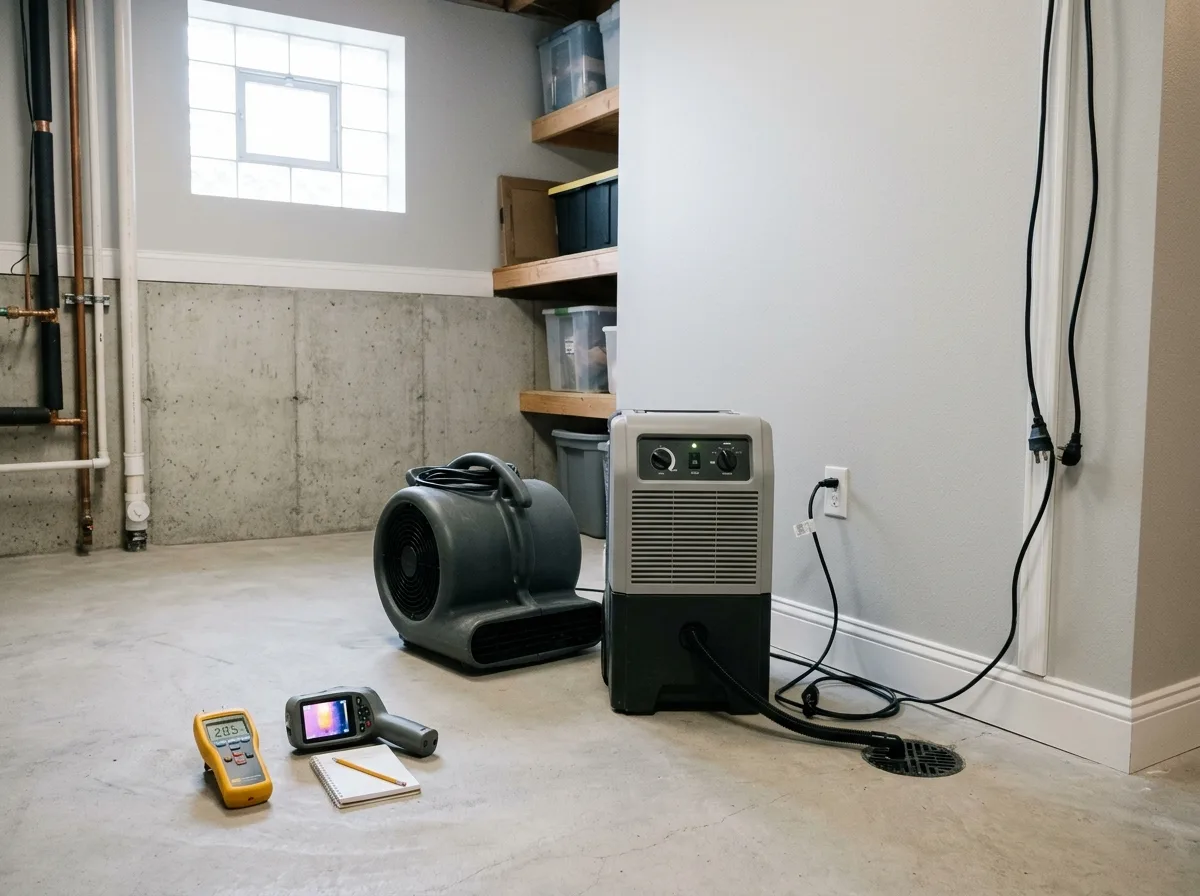
Residential basement drying setup with low-grain dehumidifier, air mover, and moisture meters
Basement drying equipment and moisture monitoring setup.

Call any time

Phone assistance day or night.

Colorado coverage

Front Range, foothills and mountain towns.

Know what to expect

Confirm contractor scope and written costs.

Act safely

Emergency Water Damage Cleanup in Colorado

Water may migrate under flooring and into wall cavities, even after visible puddles disappear. Prompt assessment and water removal can help limit the damage, but electrical hazards, unstable structures and contaminated floodwater must be addressed first.

If the water came from outdoors or a sewer, avoid assuming it is safe to enter. For immediate life-safety emergencies call 911. For restoration assistance, call with your ZIP code, water source and affected rooms.

Review the EPA flooded-home guidance before entering or cleaning a flooded structure. The goal is to dry safe-to-salvage materials within 24–48 hours where feasible, not to guarantee a completed repair within that period.

What to do before help arrives

  1. Leave any area with electrical, structural or contamination hazards. Do not enter standing water to reach a breaker.
  2. Shut off a leaking water supply only if the valve is safely accessible; arrange source repair.
  3. Keep children and pets out of affected areas. Do not run household fans or vacuums in contaminated or unsafe spaces.
  4. Photograph damage when safe, contact your insurer and ask what documentation is required.
  5. Call for assistance with your town, ZIP code, water source, property type and any access restrictions.

Water Damage Restoration Services Across Colorado

Different losses call for different equipment and skills. Independent providers may offer the following services; confirm their capabilities for your specific property and damage.

Portable extraction and drying equipment in a basement

Emergency Water Removal & Extraction

Pumps and portable or truck-mounted extractors remove standing water from flooded rooms, basements and wet flooring. A technician checks adjoining spaces and concealed cavities to understand the actual extent of the loss.

Standing water against basement foundation walls

Flooded Basements & Crawl Spaces

Sump pump failures, river flooding, storm runoff and foundation seepage may leave water below grade. Inspect wet insulation, floor assemblies and framing, and determine whether contaminated water requires specialized cleanup. Address the drainage or foundation problem separately.

Dehumidifier and equipment set up for basement drying

Structural Drying & Dehumidification

Air movers and commercial dehumidifiers remove moisture from the structure after extraction. Drying equipment should be selected for the material, affected area and humidity conditions, with readings tracked until suitable drying goals are reached.

Corroded burst water pipe joint

Burst Pipes & Appliance Leaks

Frozen supply lines, water heaters, washing machines, dishwasher hoses and refrigerator connections can soak floors and walls. Once the source is safely stopped, restoration addresses migration into adjoining rooms. A plumber may need to fix the source.

Sewage cleanup equipment and affected surfaces

Sewage Backup Cleanup

Wastewater may contain harmful microorganisms. Appropriate containment, removal of unsalvageable porous materials and cleaning of salvageable surfaces depend on a qualified assessment. Keep occupants away and avoid spreading contaminated water.

Deteriorated tile and subfloor after water damage

Water Damage Repair & Reconstruction

After moisture and contamination are addressed, repairs may involve drywall, insulation, flooring, cabinets, trim or other damaged finishes. Clarify whether the restoration provider includes reconstruction or whether a separate repair contractor is needed.

Reference photography: iDry Columbus, Ohio, CC BY 4.0. Cropped for display. Photographs show third-party restoration examples, not A2B or Colorado projects.

Regional water damage risks

Why Colorado Properties Experience Water Damage

Colorado includes plains, river valleys, foothills and high-elevation towns. Weather, drainage, building materials and plumbing exposure vary considerably. The National Weather Service Colorado flood resources describe flash flooding, snowmelt and other regional hazards.

Front Range freeze-thaw cycles

Cold snaps can affect exposed plumbing in garages, exterior walls and crawl spaces. Weld and Larimer County properties can experience frozen supply lines and leaks during thawing.

River valleys and heavy rain

Intense storms and runoff can cause basement flooding or rapid changes in nearby streams. The South Platte, Cache la Poudre, Big Thompson and Arkansas River corridors are relevant to the communities served. Check your property-specific flood risk rather than assuming all nearby homes flood.

Mountain snowmelt and roof leaks

High-country properties around Gunnison and Crested Butte may face prolonged freezing, snow accumulation, ice dams and spring melt. Roof or plumbing repairs may be required to stop ongoing moisture intrusion.

Groundwater and sump pump failure

Water can enter below-grade rooms through foundation cracks, window wells or drains when soil becomes saturated. A power outage can disable a sump pump; water removal alone does not solve recurring seepage.

Indoor plumbing and appliances

Leaks from toilets, washing machines, water heaters and kitchen supply lines can occur in any season. Concealed moisture below cabinets or through ceilings may require inspection even when surface pooling is limited.

Sewer backups and contaminated floods

Drain blockages and external floodwater present different hazards from a fresh water supply leak. Avoid direct contact, isolate the affected area and arrange professional assessment.

Residential & Commercial Water Damage Restoration

Property type affects access, equipment, work scheduling and documentation. Describe your building and the affected operations when you call.

Homes, rentals and apartments

Single-family homes, townhouses, apartments, finished basements and rental properties may need different drying strategies. Protect unaffected rooms and belongings, and coordinate approval with the property owner or manager if you rent.

Ask whether contents handling, moisture checks in adjoining rooms, removal of wet finishes and restoration of living spaces are included. If the building is unsafe or essential utilities are unavailable, arrange temporary accommodation with your insurer or property manager.

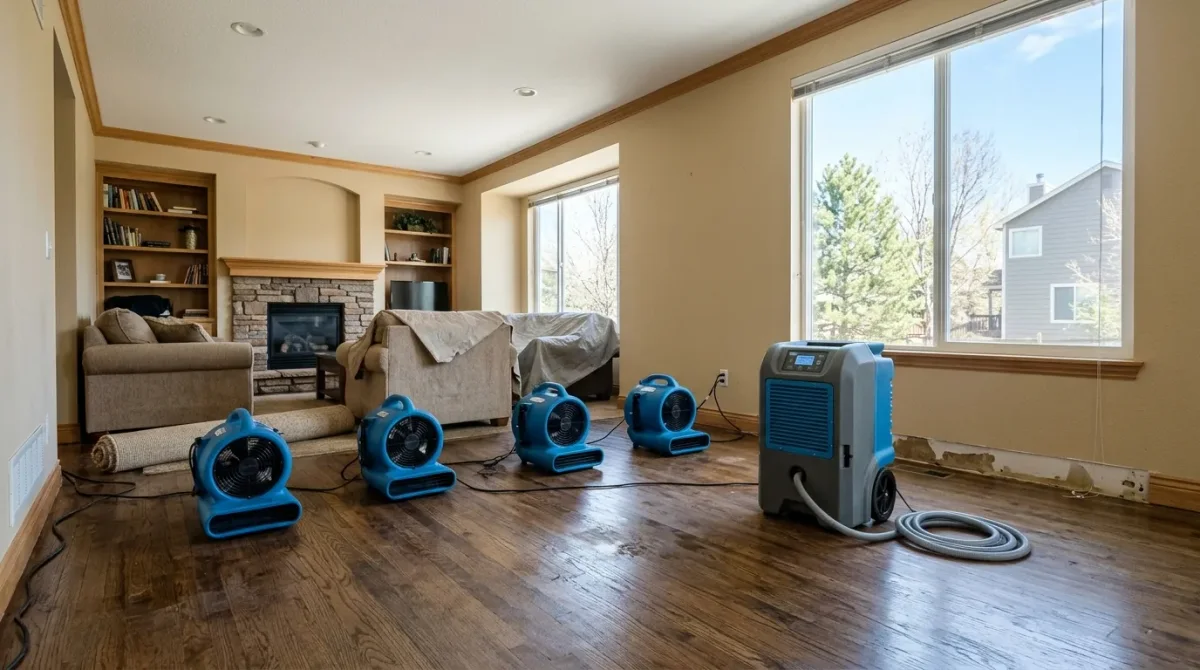
Residential drying setup with commercial air movers and dehumidifier on hardwood floors
Commercial building with water damage and drying equipment

Commercial buildings and businesses

Retail stores, offices, restaurants, warehouses and multifamily facilities may require coordinated drying, secure access, inventory protection and documentation for building owners or business insurers.

Ask the contractor about commercial equipment capacity, health and safety controls, critical electrical or mechanical systems, work scheduling and whether partial operations can continue safely. Downtime cannot be guaranteed.

Reference photography: iDry Columbus, Ohio, CC BY 4.0. Cropped for display. Photographs show third-party restoration examples, not A2B or Colorado projects.

What Materials Can Be Saved After Water Damage?

Salvage depends on exposure time, contamination, material composition and moisture levels. A professional assessment is more useful than a fixed rule for every loss.

Drywall, ceilings and insulation

Water can soften gypsum and saturate insulation behind finished surfaces. Swelling, sagging or prolonged saturation may require removal. Keep clear of unstable ceilings; repairs must wait until the moisture source is corrected.

Hardwood, laminate and subfloors

Cupped wood or lifted laminate may conceal moisture below the surface. Drying mats and moisture measurement can help evaluate salvageable hardwood; severely damaged composite flooring may need replacement.

Carpet, padding and furnishings

Some clean-water losses allow extraction and drying of carpet. Padding, contaminated porous contents and materials that cannot be adequately cleaned may require disposal. Document belongings for insurance before disposal when safe.

Cabinets, baseboards and framing

Moisture can remain behind cabinet toe-kicks, inside wall cavities and along sill plates. Targeted inspection and controlled access may be needed to determine whether materials can be saved.

Water Mitigation, Drying & Restoration Process

Mitigation reduces additional damage; restoration and reconstruction address repair after stabilization. Ask which stages are included and how drying completion will be verified.

Moisture meter measurement at a basement baseboard
Moisture measurement helps determine whether the affected material needs additional drying.

Reference photography: iDry Columbus, Ohio, CC BY 4.0. Cropped for display. Photographs show third-party restoration examples, not A2B or Colorado projects.

Ask whether the contractor follows applicable practices such as ANSI/IICRC S500. A2B does not certify providers or guarantee that a particular standard is followed.

  1. 1

    Safety and source control

    Keep people out of unsafe areas. Stop a plumbing leak only when the shutoff is safely accessible. Arrange necessary electrical, plumbing or structural assistance before beginning cleanup.

  2. 2

    Assessment and moisture mapping

    A provider identifies the water source, contamination, affected rooms and materials. Moisture meters confirm readings; infrared thermal imaging can help locate temperature anomalies that warrant further inspection. Thermal images alone do not prove moisture.

  3. 3

    Water extraction and removal

    Appropriate pumps or extractors remove standing water. Damaged or contaminated materials may be removed as needed. Confirm disposal, contents handling and containment in the written work scope.

  4. 4

    Cleaning and controlled drying

    Cleaning methods depend on water quality and affected materials. Air movers, low-grain refrigerant dehumidifiers or other equipment may be selected for the structure. For contaminated conditions, professionals should determine safe airflow and containment.

  5. 5

    Verification and repair planning

    A contractor monitors moisture and humidity readings and adjusts equipment until acceptable drying goals are documented. Discuss final readings, itemized charges and a repair scope before drywall, flooring or other finishes are replaced.

Water Contamination Categories & Cleanup Requirements

Water source and conditions determine appropriate cleaning. A provider should assess contamination, because water can deteriorate over time.

Category 1 — initially sanitary water

Fresh supply-line water may allow more materials to be saved when safely extracted and dried promptly. Conditions can change if water contacts contaminants.

Category 2 — significantly contaminated water

Some appliance discharges and other contaminated sources may require enhanced cleaning and material removal. Avoid treating all indoor leaks as clean water.

Category 3 — grossly contaminated water

Sewage and outdoor floodwater may carry pathogens and other hazards. Avoid exposure and arrange appropriate containment, cleanup and disposal.

For extensive flooding, consult EPA flood cleanup guidance. If moisture has caused visible mold, see the Colorado mold remediation guide.

Plan your recovery

Water Damage Restoration Cost in Colorado

There is no universal restoration price. Independent contractors assess the property and set their own rates. An itemized estimate should distinguish emergency extraction, mitigation, cleaning, equipment and reconstruction.

Size and access

The affected square footage, number of rooms, basement access and concealed moisture influence labor and extraction time. Water that travels between floors can require additional inspection.

Contamination and disposal

Sewage or external floodwater may require additional protective measures, containment, cleaning, removal and disposal compared with a limited clean-water loss.

Drying equipment and monitoring

Equipment rental, dehumidifier capacity, monitoring visits and drying duration contribute to mitigation costs. The estimate should explain how charges are calculated and when equipment is removed.

Reconstruction and contents

Replacing drywall, flooring, insulation, cabinets or damaged contents may be quoted separately from mitigation. Ask about materials, disposal fees, repair contractors and payment terms.

Understand your estimate

  • Assessment and emergency call-out charges, if any.
  • Extraction labor, equipment rental and monitoring visits.
  • Containment, cleaning, disposal and contents handling.
  • Separate repair and reconstruction estimates.
  • Payment schedule and approval process for additional work.

Ask how a change in drying duration or newly discovered damage affects the total.

Insurance and claim documentation

Sudden accidental leaks may be covered depending on the policy; long-term seepage or maintenance issues can be excluded. Standard home insurance generally does not include outdoor flooding. Confirm policy terms and deductibles with your insurer.

Take photos only when safe, keep records of damaged materials and ask the contractor for a written estimate, itemized invoices and moisture readings. Read our insurance claim documentation guide. A2B cannot determine coverage or promise claim approval.

How Long Does Water Damage Restoration Take?

Drying and reconstruction are separate stages. Small clean-water losses may dry over several days, while deep saturation, contamination, high humidity, difficult access and extensive reconstruction can extend recovery.

Request documented readings rather than relying on surface appearance. Ask which areas will remain usable, how equipment will affect power and access, and when the provider expects to reassess. If the source remains active, address it before restoration can be completed.

Why call A2B Solutions?

A2B connects Colorado property owners with independent local restoration providers by phone. Calls can be made at any hour. Tell us the property type, ZIP code and damage; confirm written pricing, relevant qualifications and insurance directly with the provider before approving work.

Learn about A2B Solutions

Helpful Colorado Water Damage Resources

Get practical guidance on emergency steps, insurance paperwork and moisture prevention.

Colorado Water Damage Restoration FAQs

Call A2B Solutions Inc. at (970) 295-0453 anytime and provide your town, ZIP code and water damage details. We connect callers with independent local providers where available; the contractor confirms scheduling and scope.

Available 24/7 · 9 Colorado Communities

Need Water Damage Restoration in Colorado?

Call anytime to connect with an independent local water damage restoration provider for extraction, flood cleanup and drying in your community. Availability and arrival times vary.

For active fires or life-safety emergencies, call 911 immediately.

Call Now: (970) 295-0453