9 Colorado Communities · Available 24/7

Fire & Smoke Damage Restoration in Colorado

After fire officials confirm safe access, connect with independent Colorado providers for emergency board-up, smoke and soot cleanup, odor removal, firefighting water extraction and repair across nine communities.

For active flames, gas leaks, or life-safety emergencies, call 911 immediately.

Service Overview

For active flames, embers, or gas leaks, call 911 immediately. Once fire officials release your property, call A2B Solutions Inc. at (970) 295-0453 to connect with an independent local fire and smoke restoration provider across nine Colorado communities for emergency board-up, soot cleanup, firefighting water removal, and smoke odor treatment. Provider availability and service scope vary by ZIP code.

Even after firefighters extinguish flames and declare a structure safe to re-enter, secondary damage continues quietly indoors. Acidic soot can corrode metal hardware and etch glass, smoke odor penetrates porous drywall and framing, and water left by fire hoses soaks subfloors and insulation.

A2B Solutions Inc. is an independent call-connection website helping Colorado homeowners and commercial property managers reach local fire and smoke damage restoration providers across Evans, Greeley, Windsor, Loveland, Wellington, Superior, Cañon City, Gunnison, and Crested Butte.

Whether you need full post-fire stabilization and emergency board-up or smoke-only cleanup after a kitchen flare-up, furnace puff-back, or foothill wildfire drift, calling (970) 295-0453 connects you with an independent provider to confirm ZIP availability, contents or HVAC evaluation options, and written scope terms.
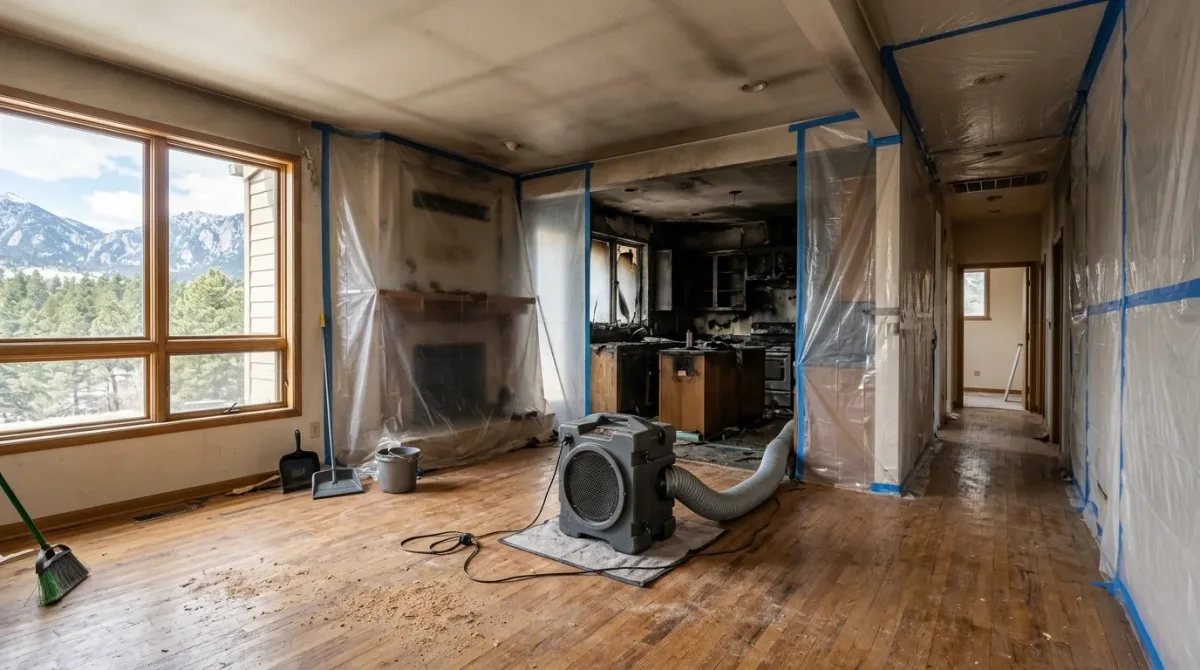
Containment sheeting and commercial air filtration stabilizing a residential interior after smoke damage
Restoration equipment example. Independent contractors provide actual onsite scope and estimates.

24/7 Colorado Phone Support

(970) 295-0453

No online forms required. Call directly to connect with an independent local fire and smoke restoration provider serving Colorado.

What Independent Fire & Smoke Damage Providers Typically Handle

Calling us connects you with an independent local restoration company to confirm scope, licensing, insurance documentation practices, and written pricing directly.

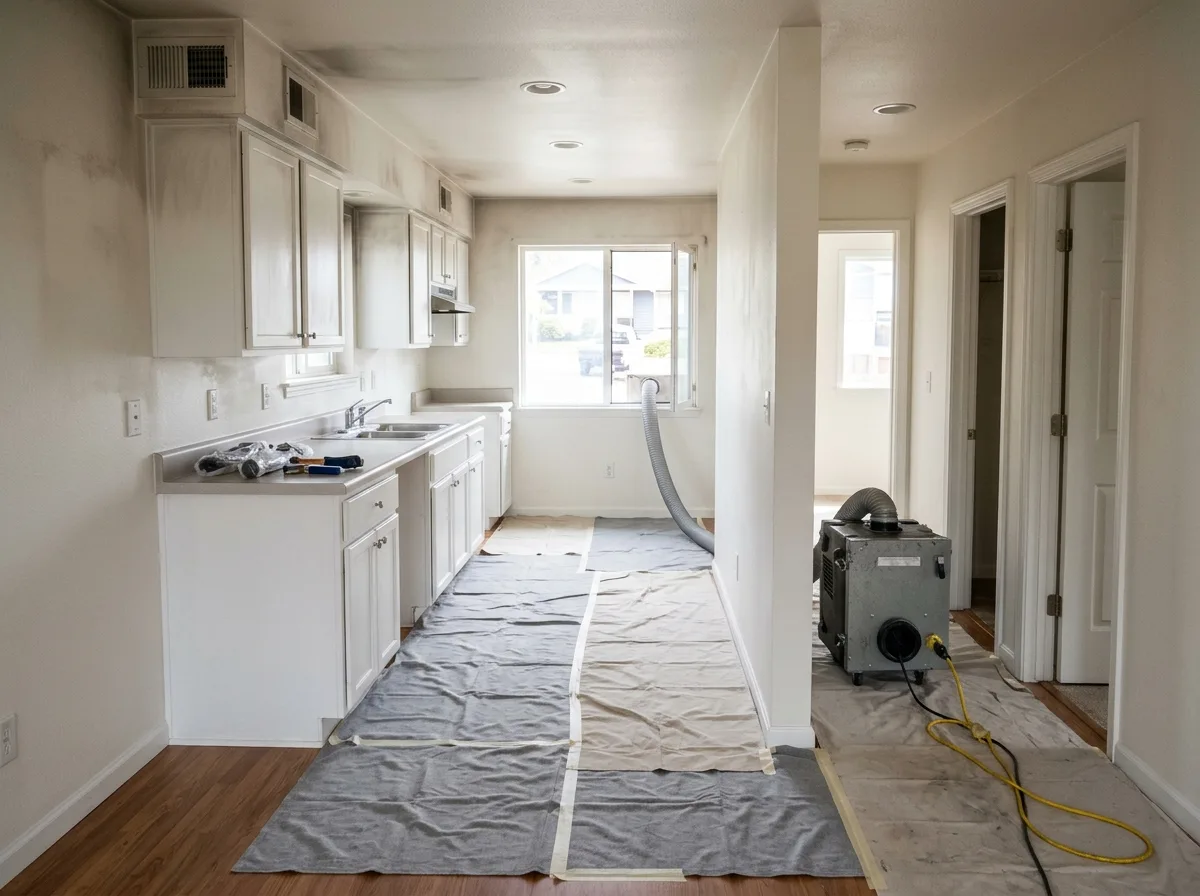
HEPA air scrubber and protective floor coverings for interior smoke and soot cleanup
Example showing HEPA air scrubbing and protective coverings commonly used during Colorado smoke and fire cleanup.

Fire Damage Cleanup & Restoration

Debris removal, structural stabilization, and extraction of water left behind by firefighting hoses once fire officials clear the building.

Smoke Damage Cleanup

Remediation of visible smoke haze and sticky residue on walls, ceilings, cabinets, light fixtures, and trim—including smoke-only events without heavy charring.

Soot Removal

Dry chemical sponges, HEPA vacuuming, and surface-safe cleaning methods designed to lift acidic soot without smearing paint or staining stone.

Smoke Odor Removal

HEPA air scrubbing, source cleaning, HVAC/contents evaluation where offered, and odor-blocking primers to address stubborn post-fire smoke smells.

Emergency Board-Up & Property Security

Boarding of broken windows and doors plus roof tarping where available so Colorado wind, rain, snow, and unauthorized entry stay out.

Smoke & Soot Residue Types and Cleanup Methods

Different building fires produce distinct soot chemistry. Using the wrong cleaner can smear residue into painted walls or porous wood.

Residue TypeTypical Fire SourceSurface BehaviorProfessional Cleanup Method
Dry SootFast-burning natural wood, paper, or fireplace blowbacks.Powdery, dry carbon dust that settles on ceilings and into fabric weaves.HEPA vacuuming followed by dry chemical soot sponges before any wet detailing.
Wet / Smoldering SootSlow-burning plastics, foam upholstery, rubber, or garage materials.Thick, sticky, pungent black film that smears easily and corrodes hardware.Containment, targeted chemical degreasing, HEPA air scrubbing, and source deodorization.
Protein ResidueKitchen stovetop grease, oven flare-ups, or burned food fires.Nearly invisible greasy film with intense lingering odor on cabinets and ceilings.Specialized protein-breaking cleaners, cabinetry detailing, and multi-stage odor reduction.
Fuel Oil / Furnace Puff-BackHeating system misfires, boiler malfunctions, or soot-laden furnace ducts.Oily dark film distributed evenly through HVAC registers across multiple rooms.HVAC shutdown, thorough vent and surface degreasing, HEPA filtration, and odor sealing.

Common Fire & Smoke Damage Scenarios Across Colorado

Dry Colorado air, windy Front Range foothills, and long winter heating seasons create fire and smoke restoration needs across both plains and mountain towns.

01

Kitchen Range, Oven & Grease Smoke Fires

Localized cooking fires send sticky protein smoke across open kitchens, ceilings, and upper hallways—requiring dry sponges and specialized degreasers rather than household cleaners.

02

Fireplace, Wood Stove & Furnace Puff-Backs

Cold Colorado winters put heavy demand on hearths, chimneys, and heating equipment, leading to soot blowbacks and mechanical-room smoke damage.

03

Wind-Driven Brush & Foothill Smoke Intrusion

High winds along the Front Range and canyon corridors force fine ash and stubborn smoke odor through attic vents and window tracks even when flames never touch the home.

04

Structural Fire Board-Up & Firefighting Water

Broken glass, roof ventilation holes, and gallons of firefighting water need prompt boarding and extraction once cleared by fire officials so wind, snow, and sub-zero air do not compound the loss.

Immediate Steps Before Mitigation Arrives

  1. 01Call 911 for any active fire, smoldering hot spots, or gas smell, and wait for official fire department clearance before re-entering the structure.
  2. 02Leave central heating, air conditioning, and ceiling fans off so loose soot is not circulated into unaffected rooms or ductwork.
  3. 03Avoid wiping soot off painted drywall, wood beams, or stone fireplaces with water or household sprays.
  4. 04Once safely cleared to enter, photograph affected rooms and confirm written scope, licensing, and insurance directly with the independent contractor.

Colorado Fire & Smoke Damage Mitigation Standards

Effective fire and smoke damage restoration across Colorado starts after fire-department clearance by stabilizing the building envelope—securing broken windows, tarping roof vents, and extracting firefighting water before cold air or moisture multiplies damage. From there, qualified local crews match dry-sponge or chemical cleaning to each soot type, isolate clean living areas, run commercial HEPA air scrubbers, and document affected rooms clearly for your insurer.

Before authorizing post-fire work, confirm with the independent contractor whether emergency board-up, contents pack-out, HVAC duct inspection, and suppression-water drying are included in their written scope.

How Fire & Smoke Damage Restoration Works

Four clear steps from your referral call to post-fire stabilization, soot cleanup, deodorization, and verification.

  1. 01

    Call 911 First, Then Our 24/7 Phone Support

    Always call 911 for active flames, embers, or gas odors and wait for fire department clearance. Once cleared, call (970) 295-0453 to connect with an independent local fire and smoke provider.

  2. 02

    Safety Clearance, Board-Up & Smoke Assessment

    An independent provider evaluates structural safety, coordinates window or roof board-up where available, checks suppression water, and maps smoke and soot travel across rooms and ducts.

  3. 03

    Soot Cleanup, HEPA Filtration & Water Removal

    After you review and approve written scope terms, crews extract firefighting water, contain work zones, run HEPA air scrubbers, and clean soot using methods matched to each surface.

  4. 04

    Odor Neutralization & Claim Documentation

    Qualified providers perform source deodorization and sealing where appropriate, evaluate salvageable contents, and compile room photos and scope notes for your insurance claim.

Also Need Water Damage or Mold Help?

Firefighting hoses often leave standing water behind that can lead to secondary moisture or mold issues. Explore local water restoration and mold remediation options across Colorado.

Residential & Commercial Fire Damage Restoration

A fire can affect a single room, a whole home or an operating business. Once authorities confirm safe access, an independent provider can evaluate the affected areas and coordinate appropriate cleanup. The scope may differ significantly between smoke-only damage and structural fire loss.

House fires, apartments and rentals

Assess smoke migration, soot deposits, affected contents, heat damage and firefighting water. Renters should contact their landlord and insurer before authorizing work. Ask who will coordinate secure access, temporary accommodation and salvage decisions.

Commercial fire and smoke cleanup

Offices, retail stores, restaurants and warehouses may need phased cleanup, inventory documentation and protection of unaffected operations. Ask about equipment capacity, commercial experience, ventilation systems, building access and safe reopening criteria.

Structural damage and emergency securing

Damaged doors, windows, roofs or walls can expose the property to snow, wind and additional losses. A qualified contractor may arrange board-up or temporary weather protection after officials release the building. Structural evaluation and reconstruction may require separate specialists.

Smoke, Soot & Odor Removal: What Is Involved?

Soot removal is not simply wiping every surface with the same cleaner. The fuel, heat, material and duration of smoke exposure affect the residue and whether an item can be safely restored.

Dry soot and fine ash

Dry residues may settle in corners, on furniture, in cabinets and inside ventilation openings. Improper wiping can embed particles or damage finishes. Providers may use specialized dry cleaning and HEPA-filtered equipment where suitable.

Sticky smoke and grease residues

Kitchen fires and some synthetic materials can leave oily or adhesive deposits. Cleaning products must be compatible with affected surfaces, and heavily damaged porous items may need replacement.

Persistent smoke odor and HVAC assessment

Odors may remain in porous surfaces, concealed cavities and ventilation systems. Source removal, targeted cleaning and appropriate filtration are more useful than simply masking odors. HVAC inspection may require a separate qualified specialist. Do not operate a potentially contaminated system until assessed.

Contents cleaning and pack-out

Furniture, textiles, electronics and documents need different salvage decisions. Ask how items will be inventoried, protected, transported, cleaned or disposed of, and whether specialty restoration is part of the written estimate.

Colorado Fire Recovery: Weather & Regional Risks

The nine communities served span the Front Range, foothills and mountain valleys. The risks during recovery are not identical, and weather can change access and work scheduling.

Winter heating and freeze exposure

Furnace problems, chimney incidents and indoor heating equipment can produce smoke or fire damage. A damaged building envelope can leave plumbing and interiors exposed to freezing conditions. Qualified trades should assess heating and electrical systems before reuse.

Wildfire ash and wind-driven smoke

Foothill and canyon communities may experience smoke infiltration even without flames entering a building. Follow local emergency instructions and have significant ash or contaminated interiors assessed rather than spreading debris by sweeping or using ordinary vacuums.

Water from fire suppression

Water left by firefighters may penetrate floors, insulation and wall cavities. Safe extraction and moisture monitoring should be coordinated with soot cleanup and any structural restrictions. Review the Colorado water restoration hub for mitigation details.

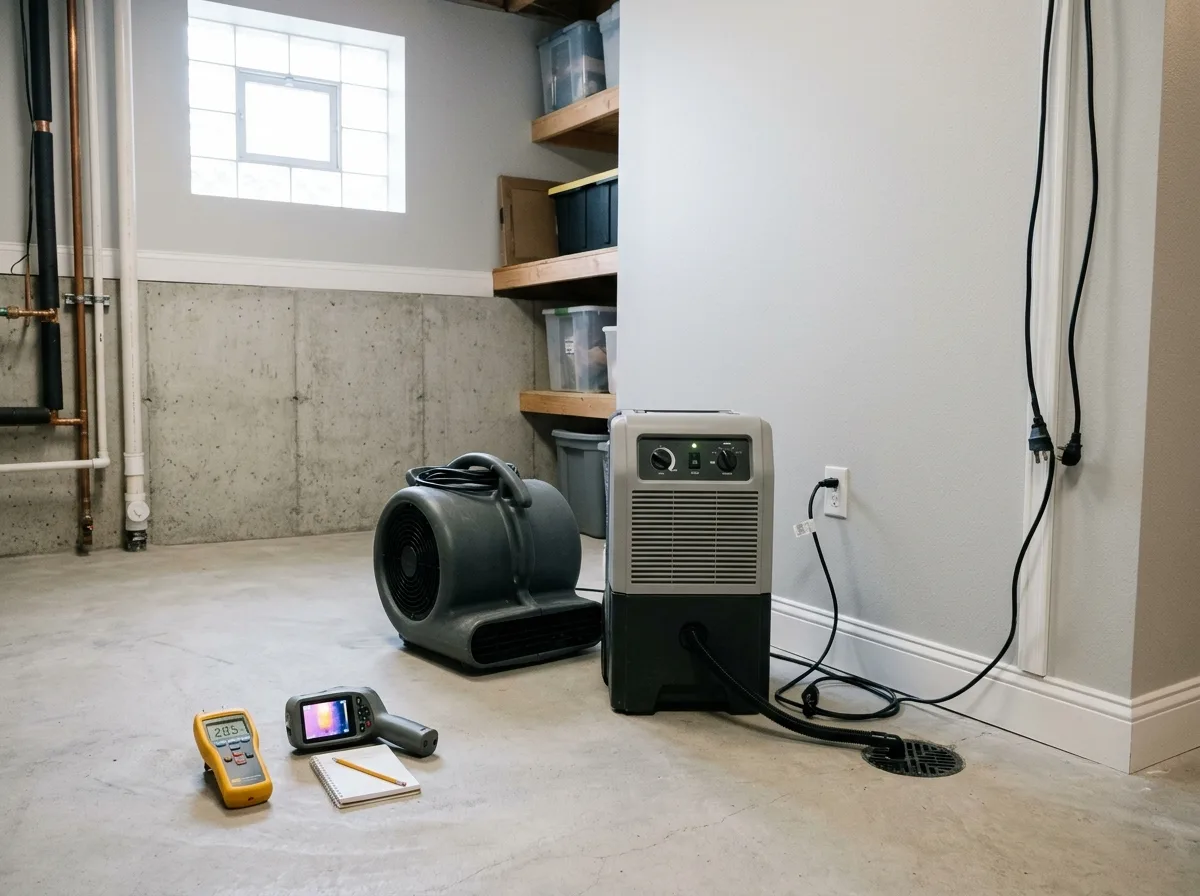
Residential basement drying setup with low-grain dehumidifier, air mover, and moisture meters

Firefighting water and structural drying

Drying must be coordinated with safe access and the fire cleanup scope. Learn about water damage restoration in Colorado and mold remediation if moisture persists.

Fire Damage Restoration Cost, Timeline & Insurance

No two fire losses have the same scope. A small smoke-only incident differs from a multi-room structural fire. Independent providers establish their own rates and scheduling after assessing the damage.

What influences cost?

Affected rooms, soot type, contents handling, emergency securing, water extraction, equipment, disposal and reconstruction all affect the estimate. Ask for itemized charges, separate repair costs, and written approval requirements for additional work.

How long does restoration take?

Localized cleaning can be shorter than a loss involving damaged utilities, structural repairs, contents processing or extensive drying. Weather, access, permits and material availability may affect the schedule. Obtain a realistic work plan from the contractor.

Insurance documentation

Notify the insurer promptly, document damage only when safe and preserve an inventory of affected belongings. Ask for photos, written estimates and invoices. Coverage, temporary accommodation benefits and deductibles depend on the policy; approval is not guaranteed.

Why Call A2B Solutions Inc.?

Call anytime with your Colorado town, ZIP code, property type and damage details to request a connection with an independent local provider. Ask about relevant qualifications, insurance, scope, availability and written pricing before authorizing work.

Questions About Fire & Smoke Damage Restoration

Always call 911 first for any active fire or safety hazard. Once fire responders clear and release your property, call us anytime at (970) 295-0453 to connect with an independent local provider for board-up, suppression water removal, and soot stabilization.

Available 24/7 · 9 Colorado Communities

Call us anytime for Colorado Fire & Smoke Help

After fire officials clear your property, call A2B Solutions Inc. at (970) 295-0453 to connect with an independent local provider for emergency board-up, soot cleanup, and smoke odor treatment.

For active fires or life-safety emergencies, call 911 immediately.

Call Now: (970) 295-0453